
The Indian Premier League is not just about big hitters and star bowlers. The surface they play on often decides how a match unfolds. A flat pitch can turn an average batting lineup into a run machine, while a slow surface can make even top batters struggle.
Understanding how pitch conditions affect IPL matches helps fans, analysts, and fantasy players read the game better. It explains why some venues produce high scoring thrillers while others deliver low scoring battles.
What Are Pitch Conditions In IPL?
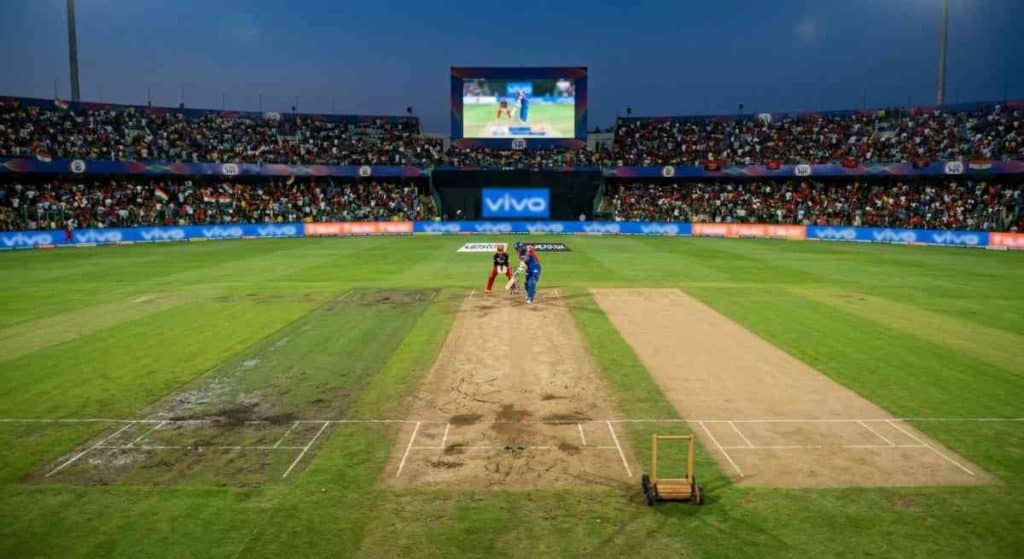
Pitch conditions refer to the nature of the cricket surface. This includes soil type, moisture level, grass cover, hardness, and wear over time.
In the Indian Premier League, pitches vary widely across venues like Chennai, Mumbai, and Delhi. Each ground has its own behavior, and teams often build strategies around it.
Why Understanding Pitch Conditions Matters?
Understanding pitch conditions improves your overall cricket knowledge.
- Helps in fantasy team selection
- Improves match predictions
- Explains player performance
- Gives deeper insight into team strategy
For example, picking spinners on a Chennai pitch increases your chances in fantasy leagues.
How Pitch Conditions Affect IPL Matches?
This is the most important part of the discussion. Pitch conditions directly influence scoring patterns, bowling success, and match results.
1. Batting Friendly Pitch:
A flat pitch with even bounce helps batters play shots freely.
Key impact:
- High scoring matches become common
- Power hitters dominate
- Bowlers struggle to contain runs
Example: Mumbai and Bengaluru often produce 180 plus totals due to true bounce and shorter boundaries.
2. Bowling Friendly Pitch:
A bowling friendly pitch usually has some moisture or a light grass cover, which helps the ball move in the air and off the surface. This creates early swing and seam movement, making it difficult for batters to settle. As a result, matches often see lower scores and frequent top order collapses. Fast bowlers benefit the most in these conditions, especially during the powerplay overs.
3. Spin Friendly Pitch:
Dry and dusty pitches help spinners.
Key impact:
- Ball turns sharply
- Batters struggle to time shots
- Middle overs become crucial
Chennai is known for producing such surfaces, where spinners control the game.
4. Slow Pitch:
A slow pitch reduces ball speed after hitting the surface.
Key impact:
- Timing becomes difficult
- Big shots require more effort
- Bowlers who vary pace succeed
These matches often depend on smart batting rather than power hitting.
Key Factors That Influence Pitch Behavior:
Several important factors work together to decide how a pitch behaves during a match. Here are the key ones:
- Soil plays a major role in pitch behavior. Red soil dries quickly and offers good bounce, while black soil holds moisture and supports seam movement. This is why the same ground can play differently in different matches.
- Grass on the pitch helps fast bowlers. More grass creates swing and seam, while less grass makes batting easier. Ground staff adjust the grass based on match conditions.
- Moisture affects how the pitch behaves early in the game. Damp pitches support fast bowlers, while dry pitches help spinners. Morning matches usually have more moisture than evening games.
- Weather conditions directly impact the pitch. Hot weather dries the surface, humidity helps swing, and rain adds moisture which slows the pitch.
- Dew is a major factor in night matches. It makes the ball slippery, reduces grip for bowlers, and gives an advantage to chasing teams. Teams often choose to bowl first when dew is expected.
Pitch Conditions And Toss Strategy:
The toss becomes very important because of the pitch conditions.
- On batting friendly pitches, teams prefer to bat first and post big scores
- On dew affected grounds, teams prefer chasing
- On slow pitches, teams often choose to bat first and defend
Captains carefully read the pitch before making this decision.
Venue Based Pitch Behavior In IPL:
Different IPL venues are known for specific pitch types.
| Venue | Pitch Type | Average Score | Advantage |
| Chennai | Spin friendly | 150 to 170 | Spinners |
| Mumbai | Batting friendly | 170 to 200 | Batters |
| Kolkata | Balanced with dew | 160 to 190 | Chasing teams |
| Delhi | Mixed behavior | 160 to 180 | Depends on surface |
| Bengaluru | Flat pitch | 180 to 210 | Batters |
How Teams Adapt To Pitch Conditions?
IPL teams do not rely on one strategy. They adjust based on the pitch.
Team Selection:
- Extra spinner on slow tracks
- More pacers on green pitches
- All rounders for balance
Batting Approach:
- Aggressive play on flat pitches
- Cautious start on tricky surfaces
- Focus on strike rotation on slow pitches
Bowling Strategy:
- Yorkers and slower balls on flat pitches
- Swing bowling early on green pitches
- Spin attack in the middle overs on dry tracks
Impact Of Pitch Conditions On Match Results:
Pitch conditions often decide the outcome of close matches.
- Flat pitches favor teams with strong batting depth
- Slow pitches reward disciplined bowling units
- Spin friendly tracks give an advantage to teams with quality spinners
Even a small change in pitch behavior can shift the balance of the match.
Common Mistakes While Reading Pitch Conditions:
Many fans misread pitch reports. Here are common mistakes:
- Judging pitch only by color
- Ignoring weather conditions
- Not considering the dew factor
- Assuming the same behavior across matches
Pitch reading requires combining multiple factors, not just one.
Conclusion:
Pitch conditions are one of the most important factors in IPL matches. They shape the way teams play, influence strategies, and often decide the winner. From flat batting tracks to slow turning pitches, each surface tells a different story.
If you want to truly understand the game, start paying attention to the pitch. It reveals more than any scoreboard ever can.
FAQs:
Pitch conditions decide how the ball behaves. They influence scoring, bowling success, and overall match strategy.
Flat pitches with even bounce are best for batting. These pitches allow players to play shots freely and score big runs.
Chennai pitches are dry and slow. This helps the ball turn, giving spinners a strong advantage.
Dew makes the ball slippery. Bowlers struggle to grip it, which helps batters during the second innings.
Yes, pitch conditions can change. Dry pitches become slower, and worn surfaces help spinners more as the game progresses.
